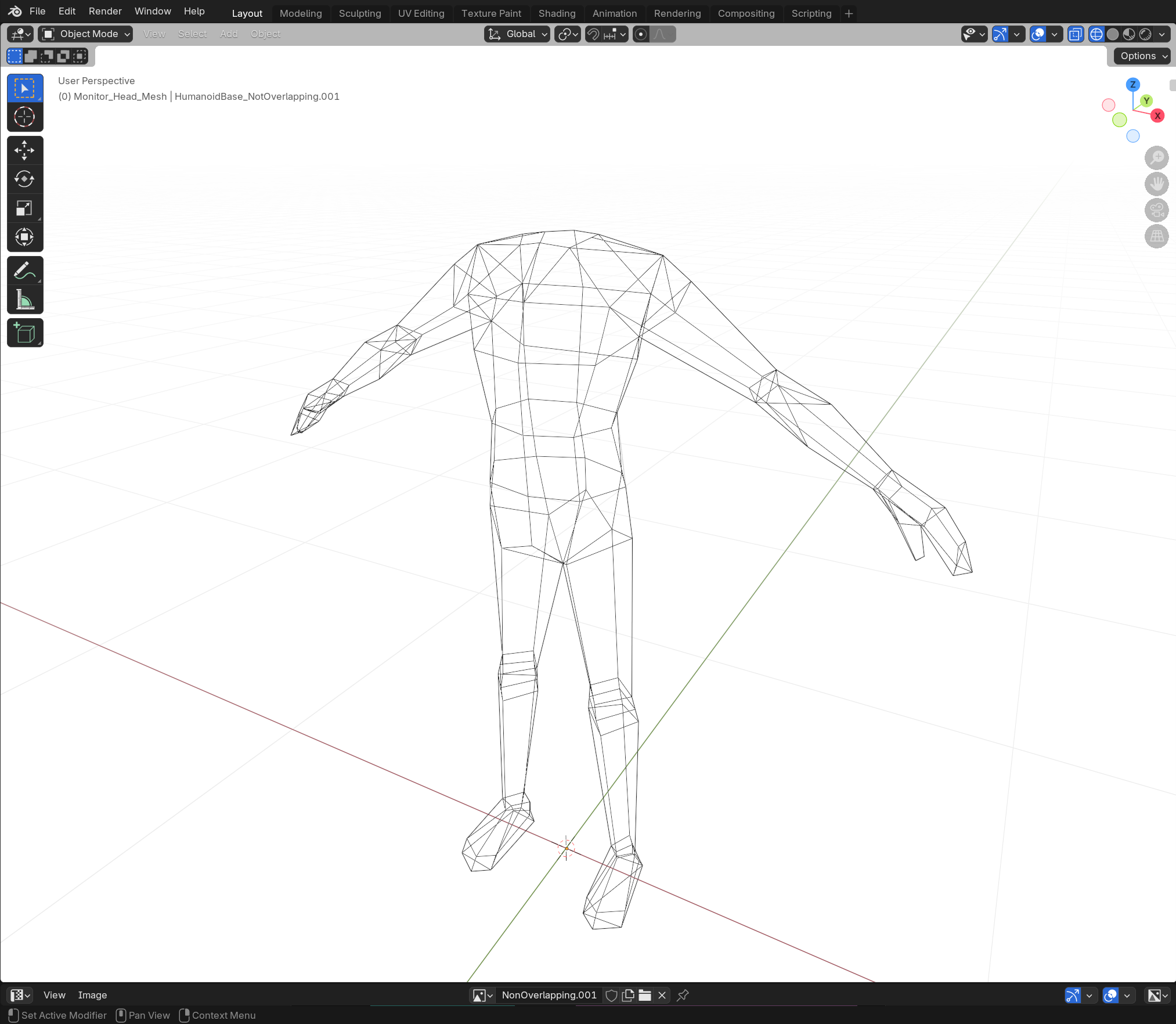
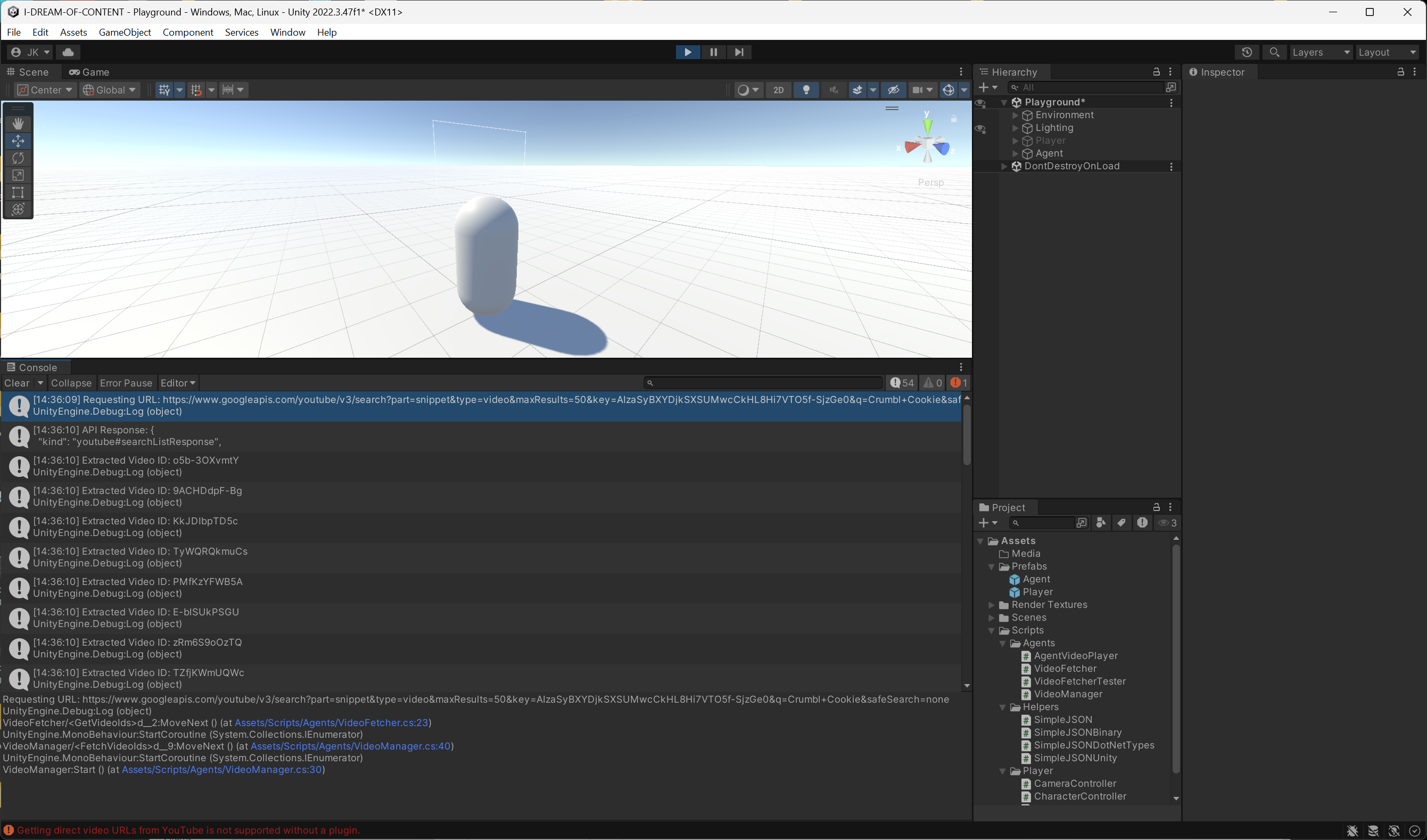
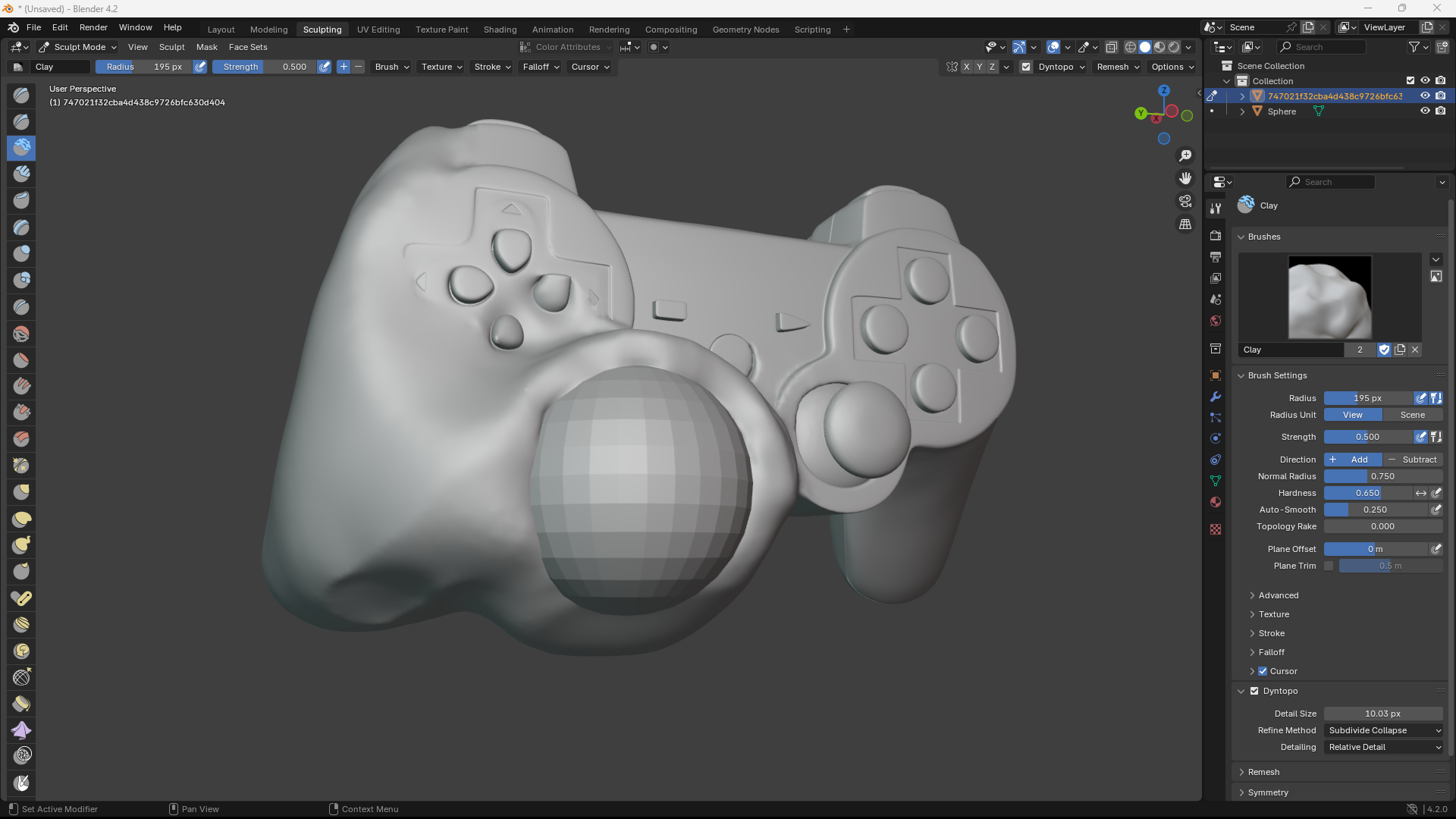
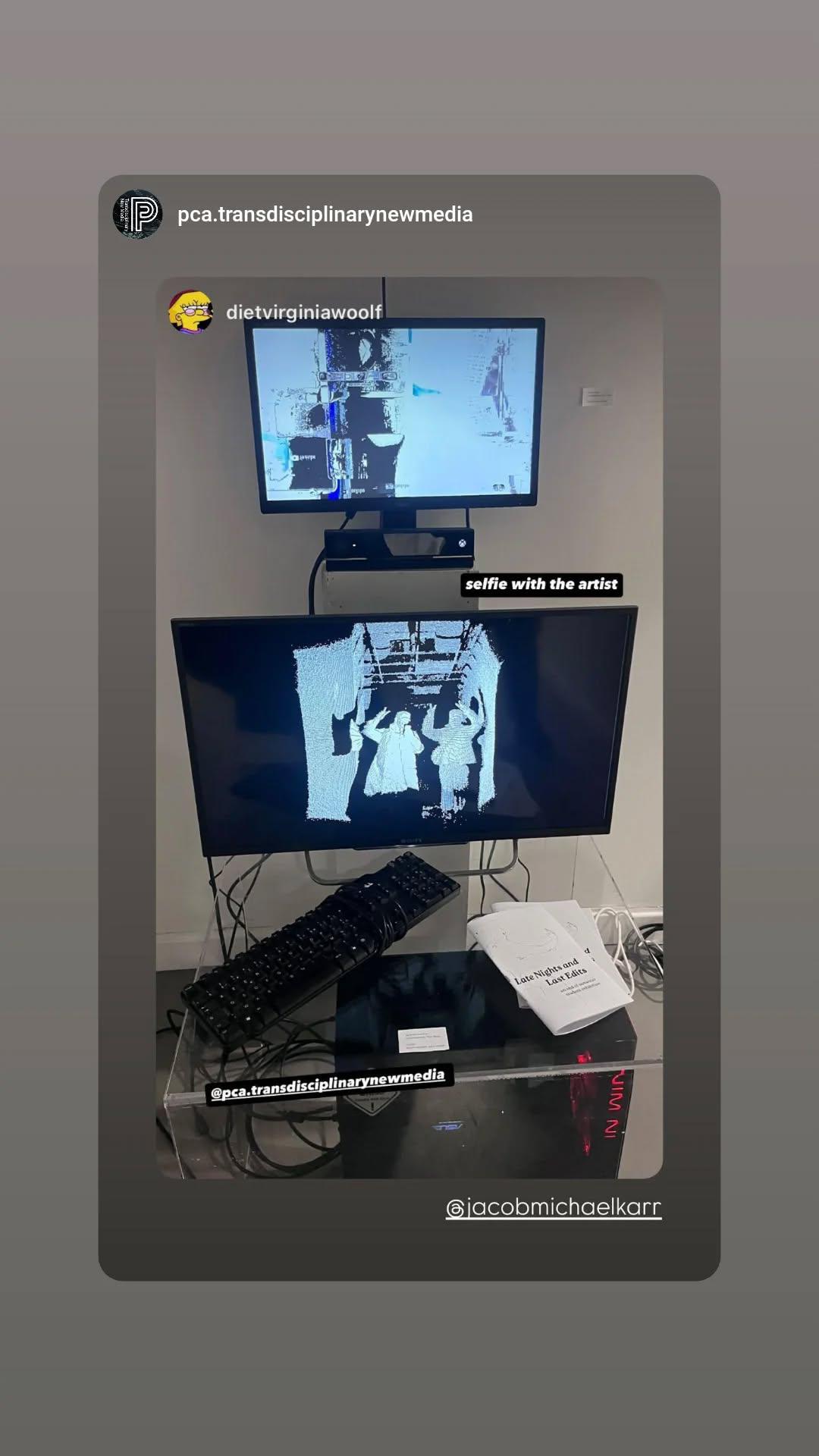
Front Seat: WIP, 2025
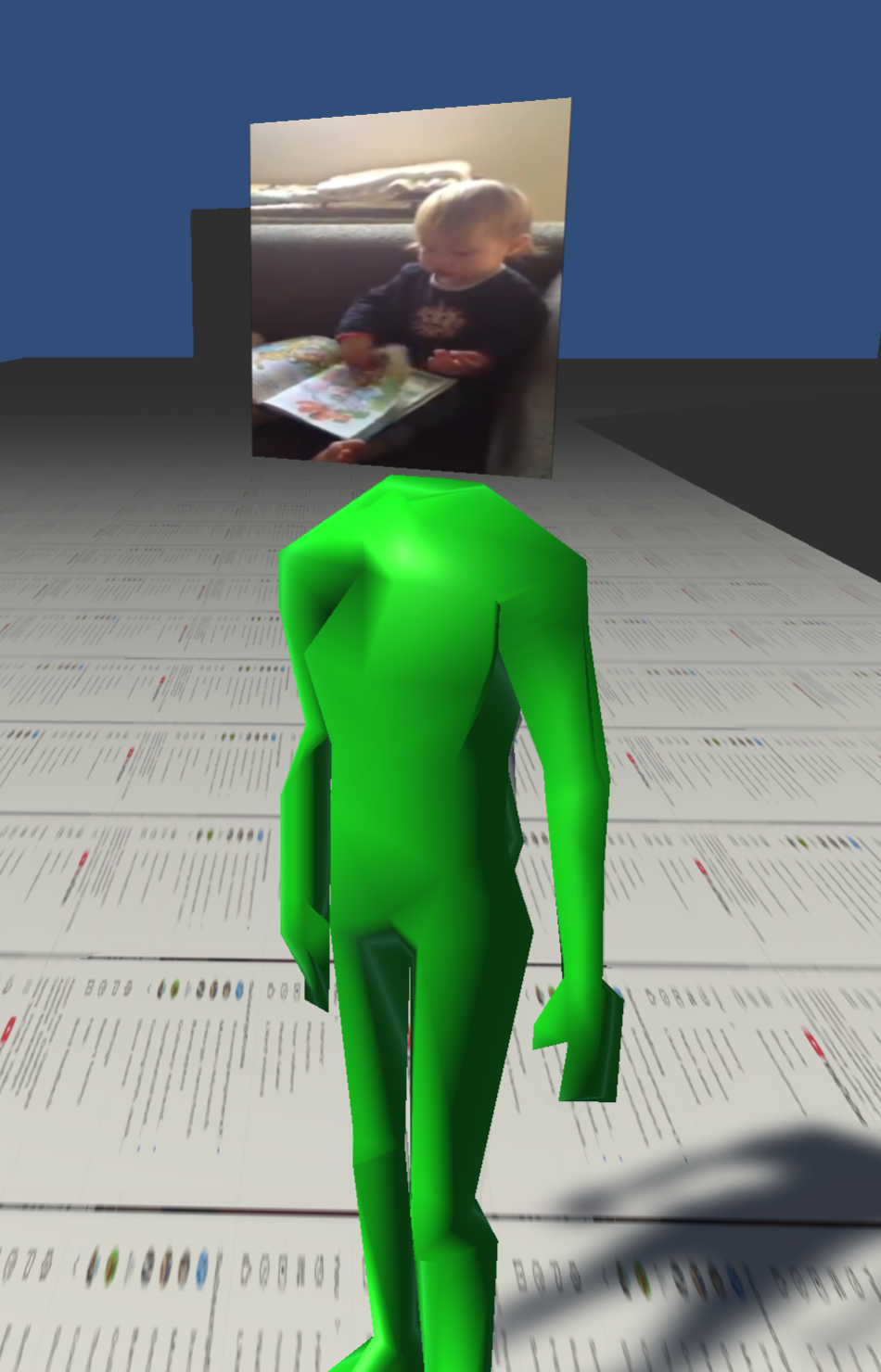
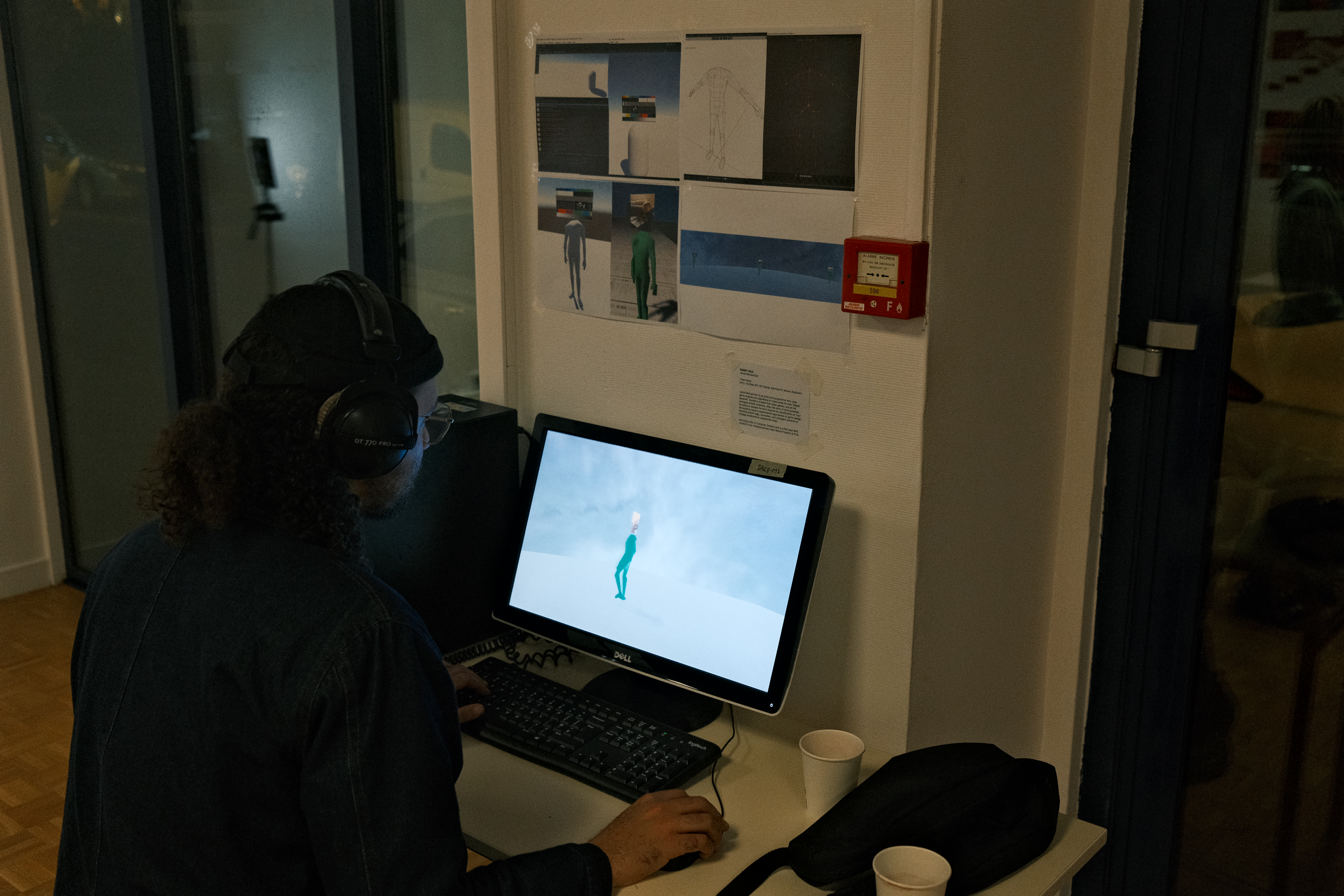
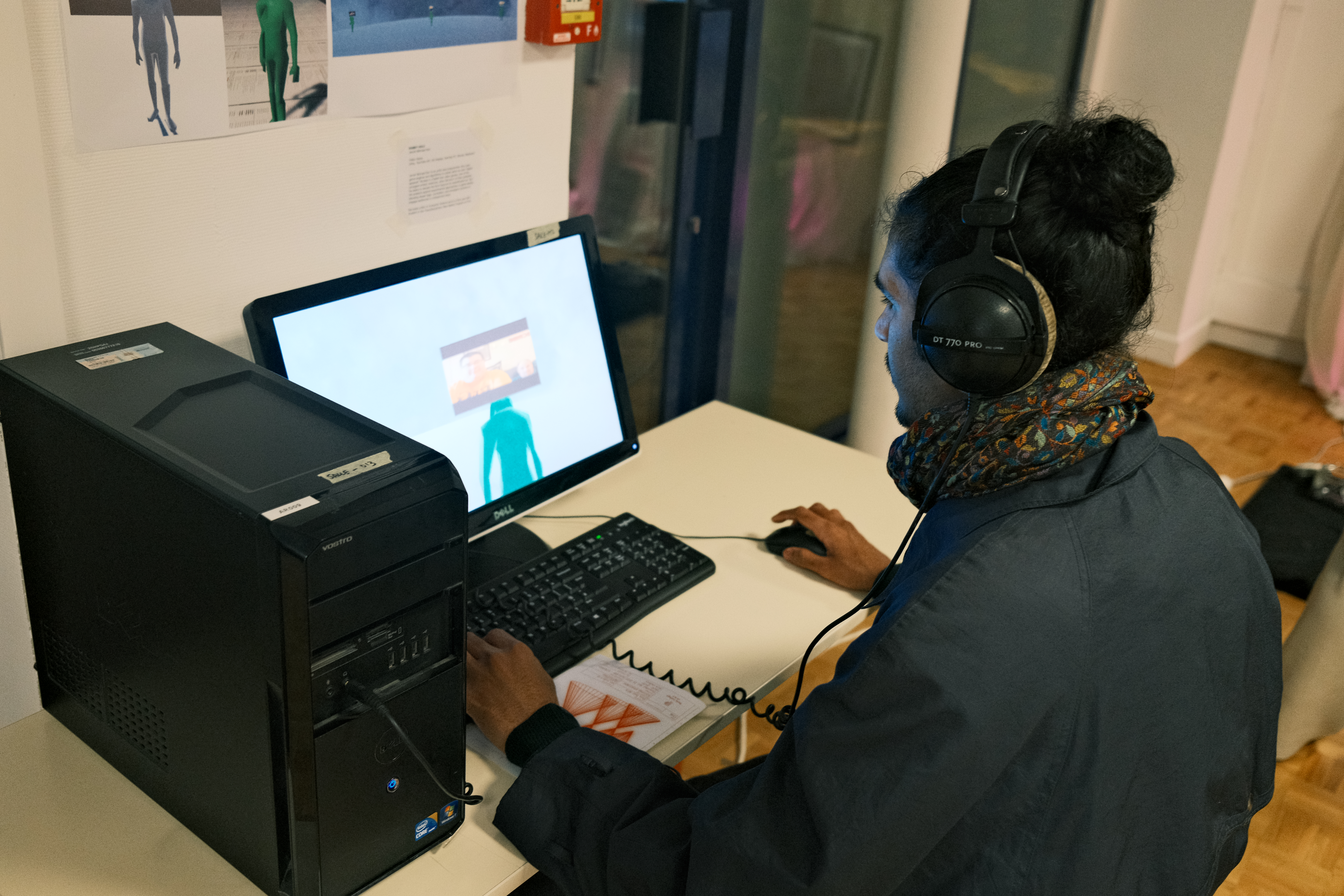
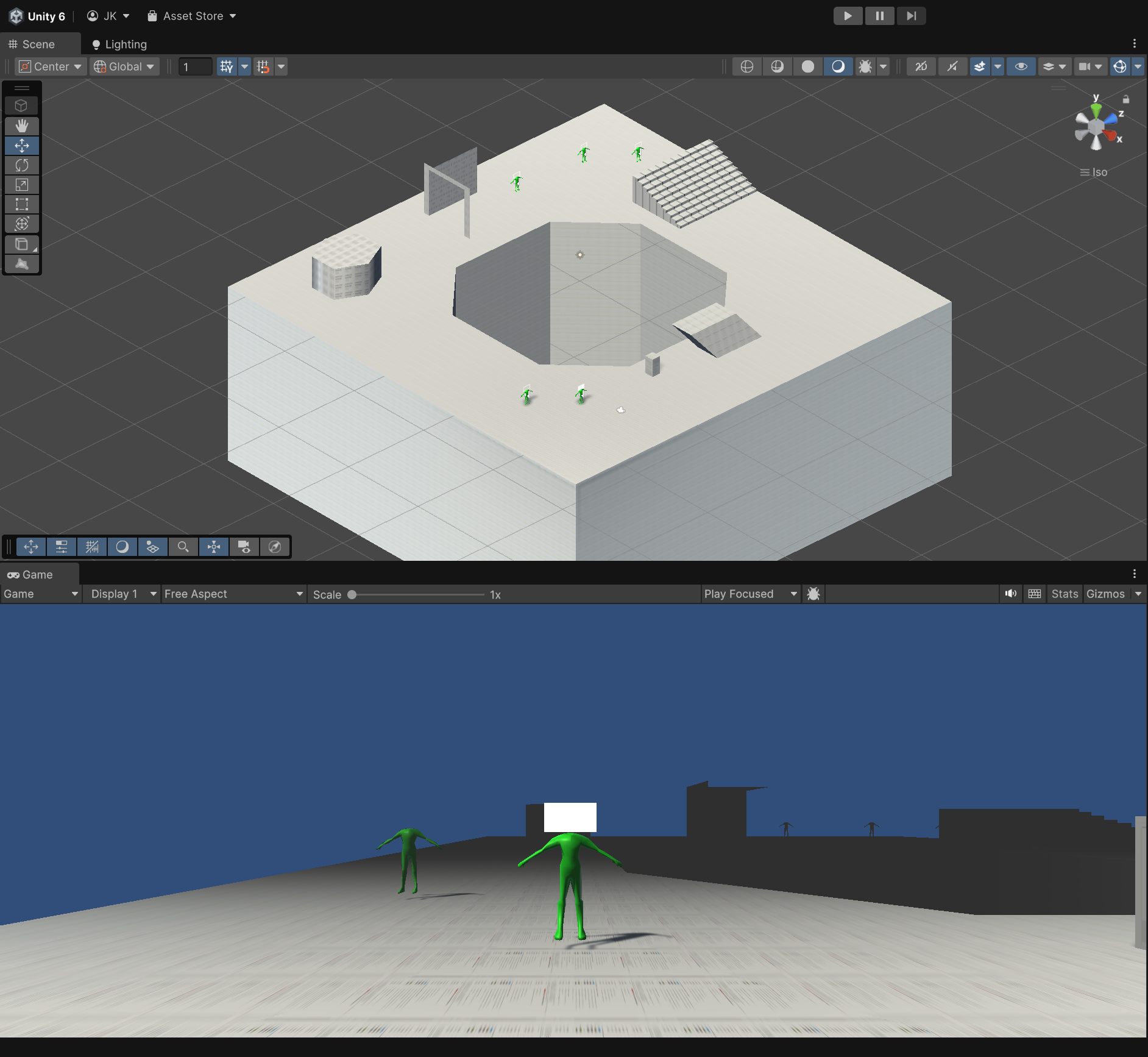
Simulation Video Game, Unity
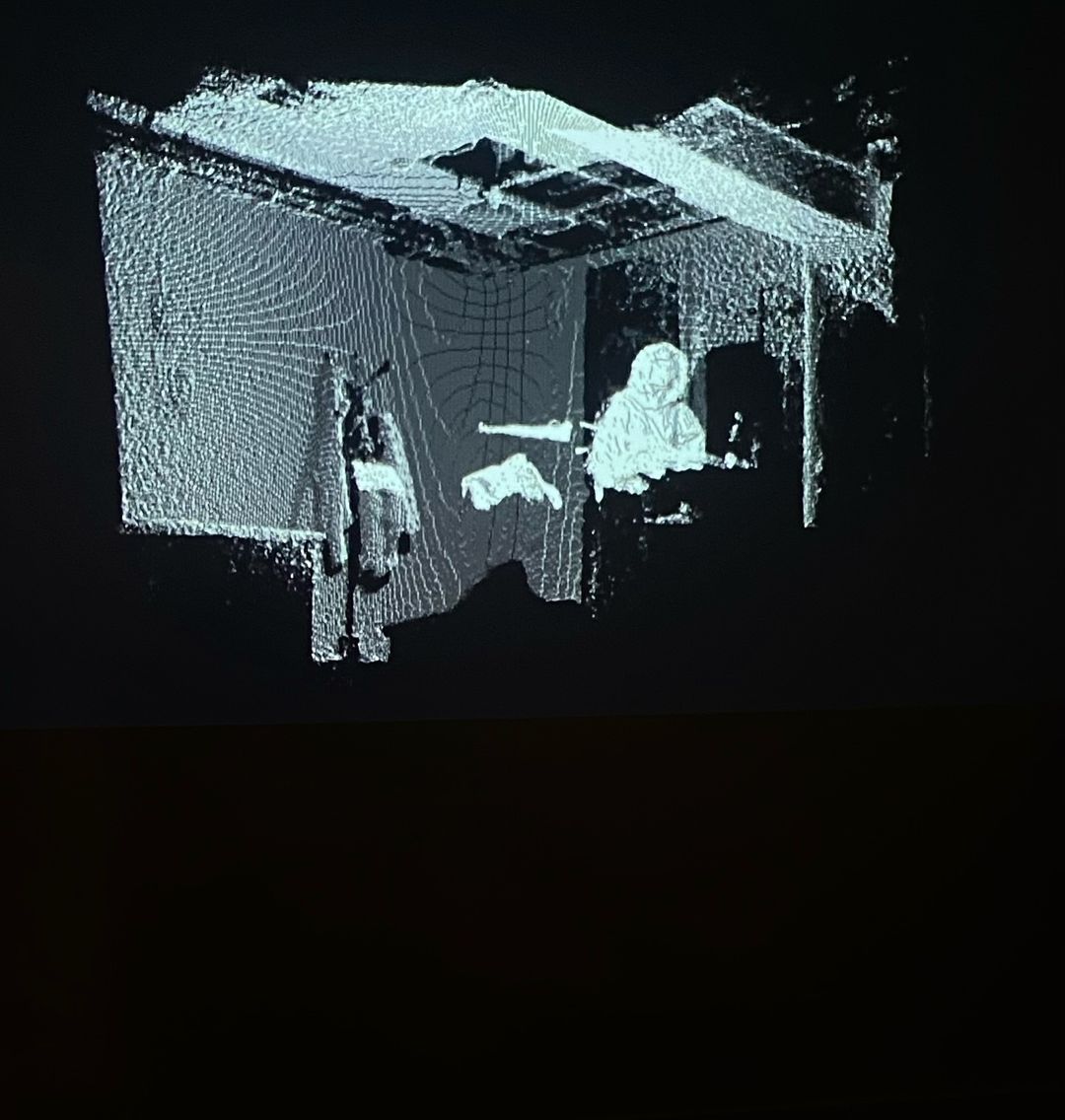
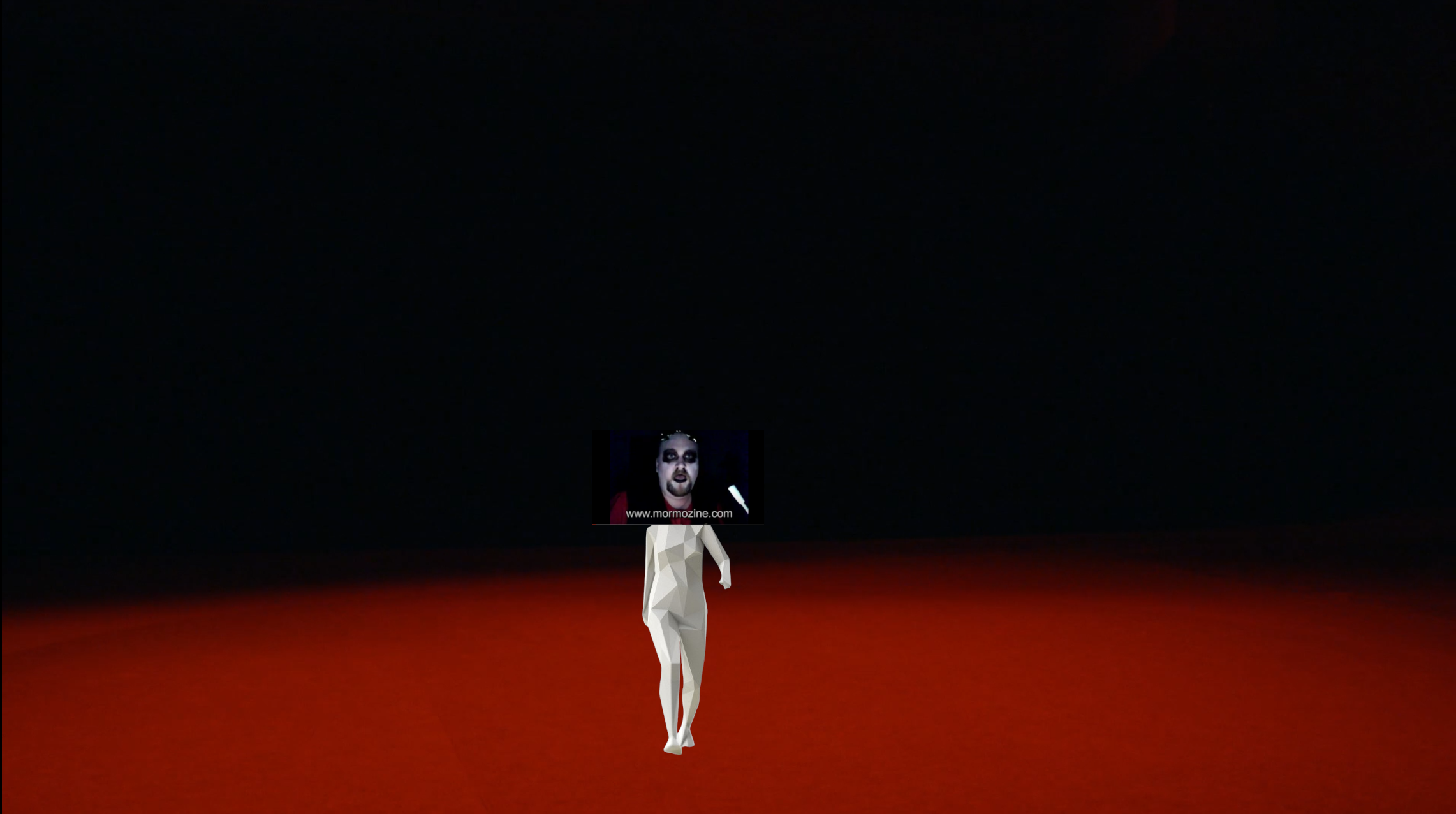
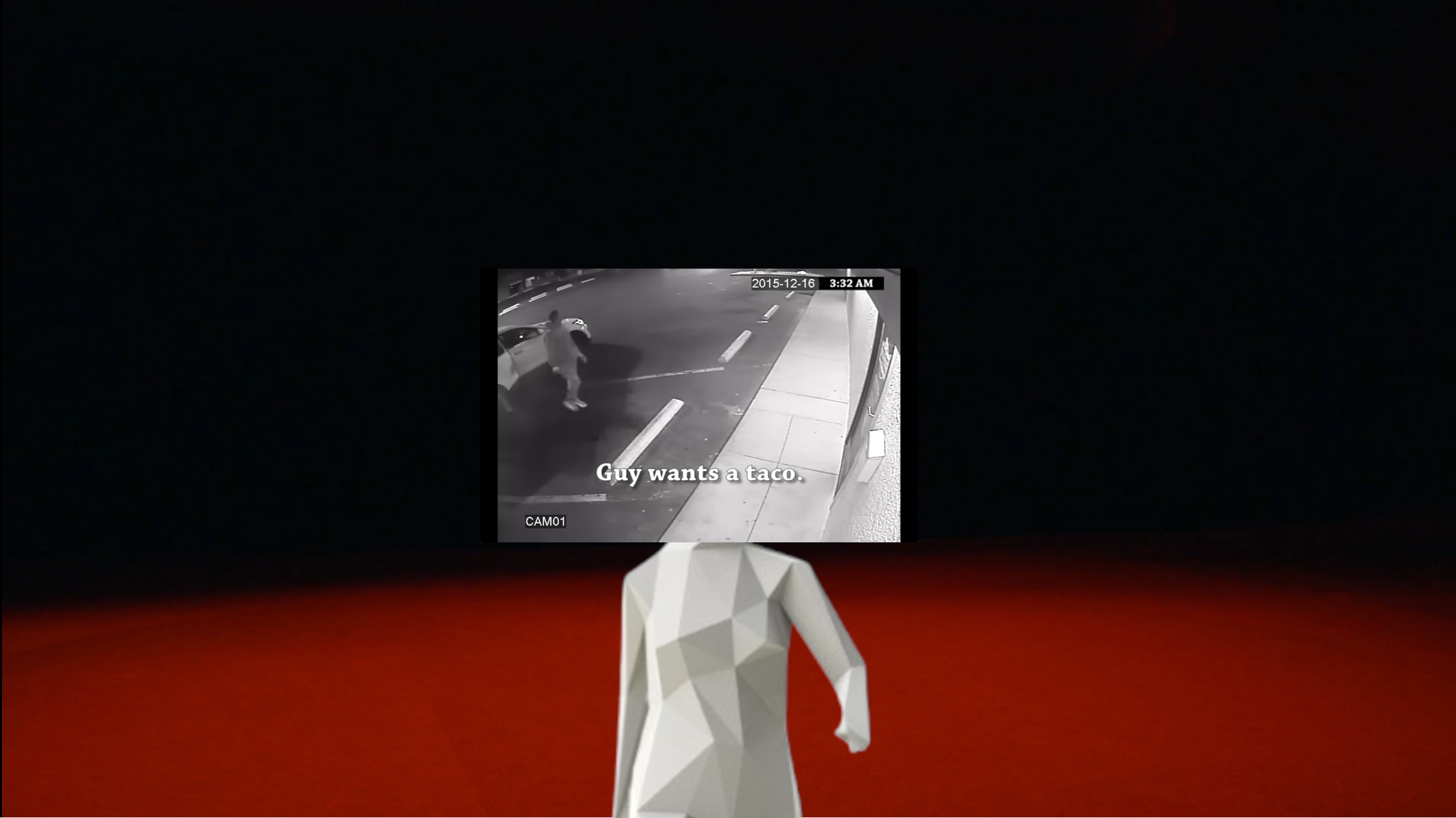
In American culture, the front seat of the motor vehicle is quickly becoming the site of all human activity—pleasure, vulnerability, politics, violence—all from the comfort of your car.The automobile front seat represents a spatial paradox in American life—neither fully public nor truly private. As traditional public spaces diminish, the car offers perceived sanctuary while enabling public transmission through digital media. This transformation didn't happen overnight. The front seat evolved through distinct historical phases: passive consumption (radio, drive-ins) defined the 50s-60s; personalization (cassette decks) emerged in the 70s-80s; communication (car phones) dominated the 90s-2000s; and finally, content creation (smartphones, dash cams) characterizes our present era. Today, this evolution is most evident in the front-seat vlog—camera pointed inward at the driver, dashboard framing the shot. The car's acoustic properties create an intimate theater for digital performance. Sound insulation, controlled lighting, and confined dimensions produce the perfect setting for emotional expression that feels both authentic and constructed. The driver's seat conveys inherent authority, with the driver-as-subject positioned in control of both vehicle and narrative. Through the passenger-perspective camera, viewers become temporary occupants in this mobile confessional space where emotional intensity is naturally amplified. The front seat now functions as modern America's secular confession booth, where drivers speak candidly to invisible audiences. Here, everyday activities—eating, applying makeup, casual conversation—transform into performance. The dashboard becomes a display table, cup holders essential architecture, and parking lots stationary studios where the boundaries between private experience and public presentation continuously blur.